





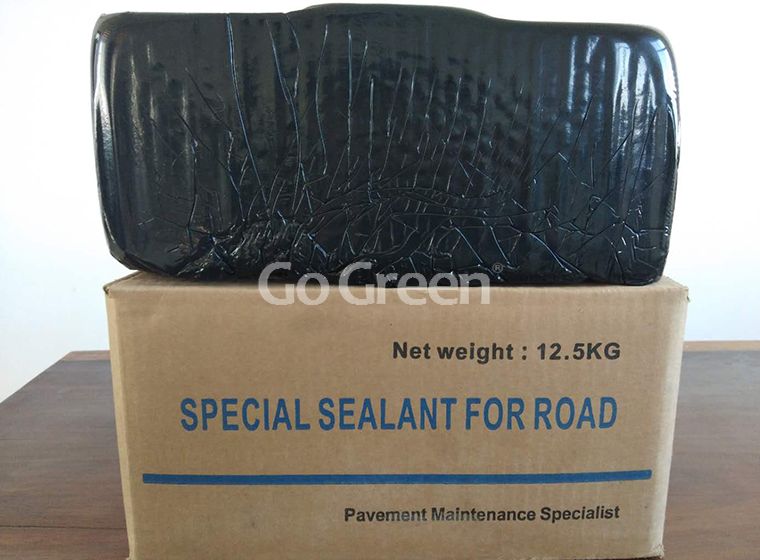
Hot Melt Asphalt Crack Sealant | High & Low Temperature Resistant Pavement Crack Filler
Product Introduction
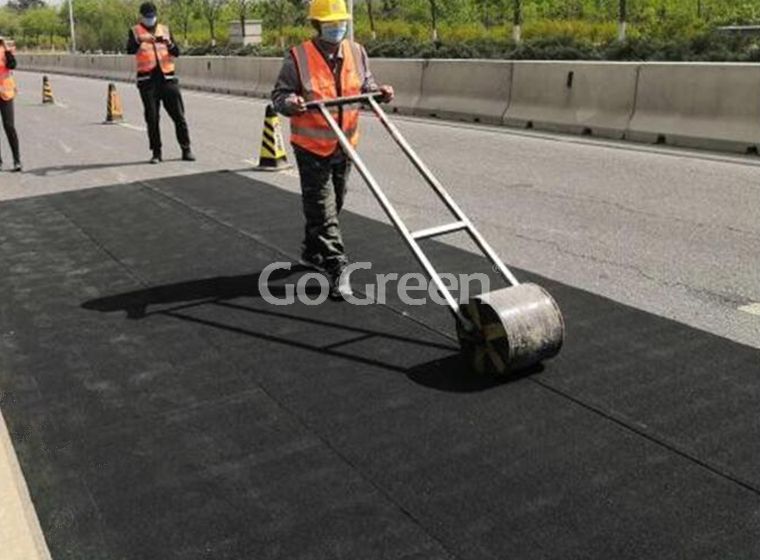
Heavily trafficked asphalt roads tend to develop random cracks of varying severity after their first winter. Uneven cracking also occurs during roadway widening projects or when the subbase layer fails to meet quality standards.
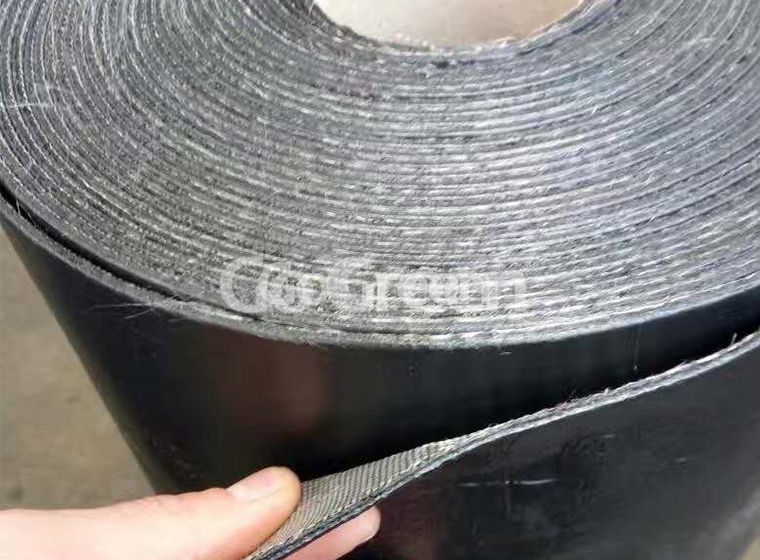
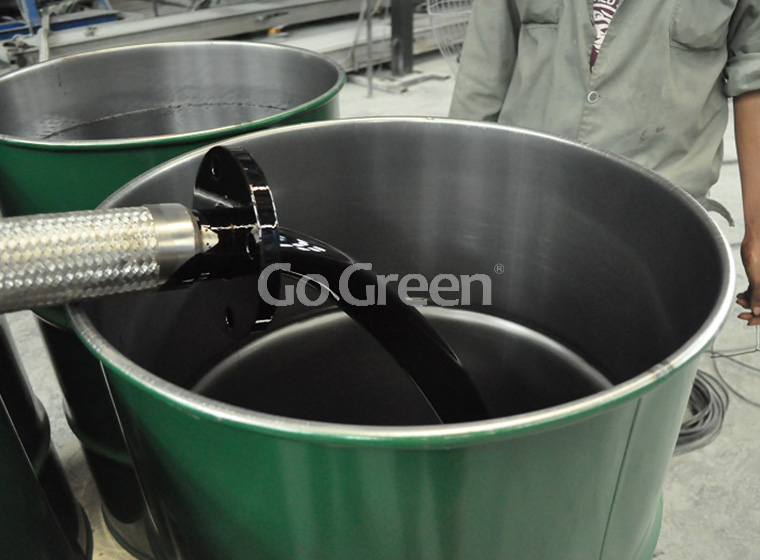
Our technical team has conducted repeated performance tests on asphalt pavement cracks and developed premium hot-applied asphalt crack sealant. This product features powerful bonding strength, high-temperature anti-tracking performance, and low-temperature flexibility with zero brittleness, alongside outstanding anti-aging properties. Our hot melt crack filler has gained quality recognition and approval from road maintenance and construction enterprises globally.
Pls click on the image or review the youtube link : https://www.youtube.com/watch?v=nhYxP1ns1mw


Core Advantages
- High Cost Performance: Economical and practical with stable quality, realizing high-quality and low-price advantages for large-scale road maintenance projects.
- Wide Temperature Adaptability (-30℃ to 60℃): No flowing or tire adhesion under high-temperature conditions; no brittle cracking in low-temperature harsh environments.
- Super Strong Adhesion: Tightly bonds with asphalt and pavement base surfaces, avoiding peeling and falling off after long-term road use.
- Excellent Elasticity & Stretchability: High elongation performance enables the sealant to bear large pavement displacement and adapt to thermal expansion and contraction of roads.
- Great Construction Performance: Low viscosity after heating, ensuring dense and full pouring without hollow gaps, improving overall pavement repair quality.
Construction Procedures
1. Preparatory Work
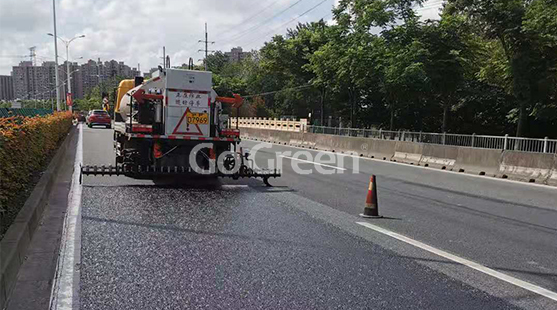
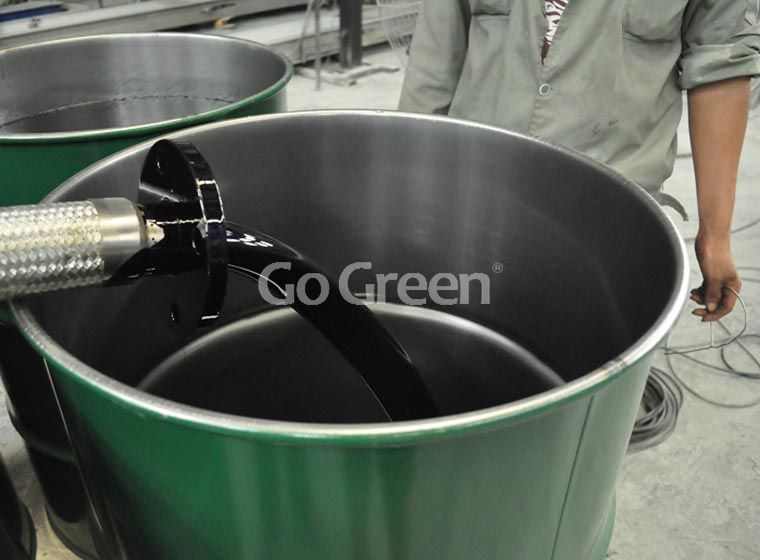
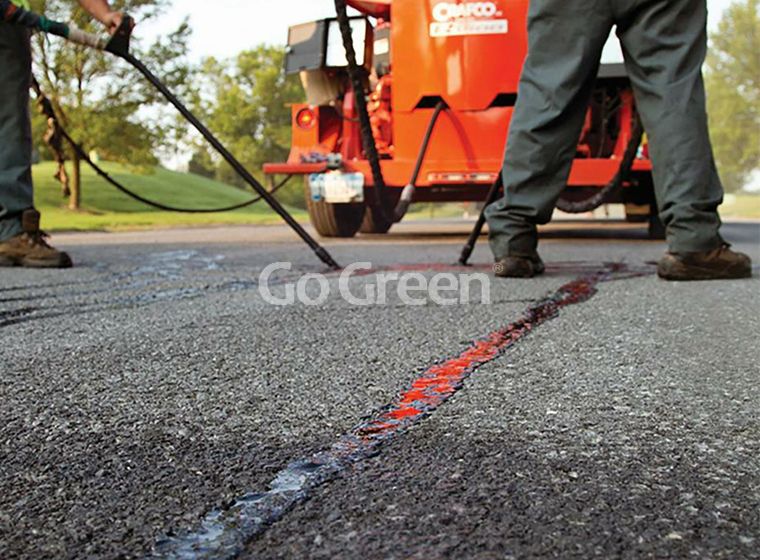
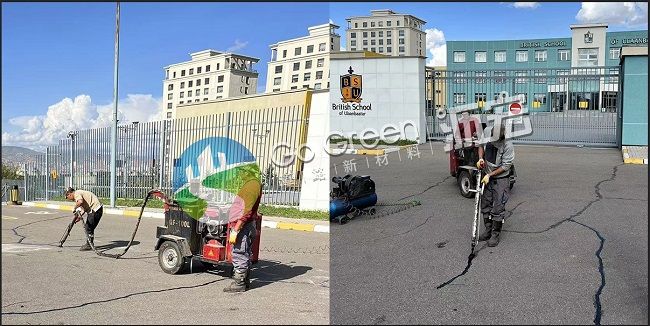
Set up traffic safety warning signs; position slotting machines and crack filling equipment. Cut grooves to specified dimensions as per construction drawings. Preheat the crack filling machine, add sealant and agitate continuously, maintaining a working temperature of 170°C–200°C.
2. Grooving
Fit saw blades matching the required groove dimensions (recommended width & depth: 13–26 mm, note: original text "13cm-26cm" is an obvious unit error for road cracks, corrected to millimeters). Adjust cutting depth and carry out grooving work.
3. Crack Cleaning
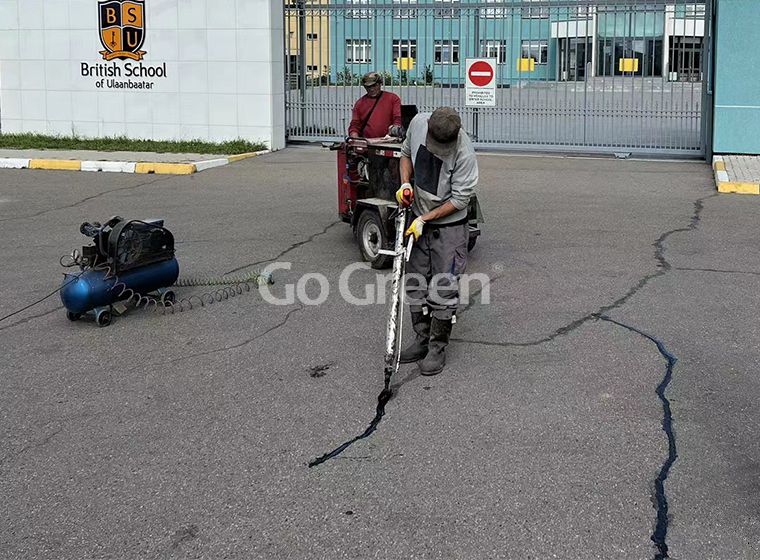
Remove loose debris manually first, then fully blow out all dust and residues inside grooves using an air compressor or backpack blower.
4. Crack Filling
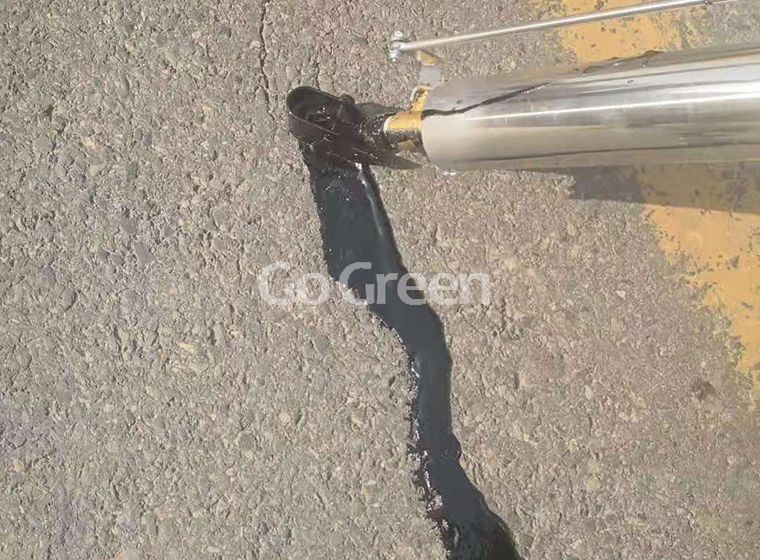
Start pouring sealant only when its temperature stays within 170°C–200°C. The ambient surface temperature of cracks should ideally exceed 10°C. If winter surface temperature drops below 5°C, preheat groove interiors prior to filling.
5. Opening to Traffic
Roadways can be reopened to traffic 15 to 30 minutes after completion of crack filling.
(ASTMD6690-2007)《Test methods for hot melt crack sealant for joints and cracks in asphalt and Portland cement concrete pavements》、(JT/T740-2009)《Pavement rubber asphalt grouting glue》。
| Testing Item | Unit | Testing Result | Result | Testing Method |
| Asphalt Compatibility | — | Pass | Pass | ASTMD5329-2007 |
| Penetration (25℃,0.1mm) | 0.1mm | 36 | 30-70 | JT/T740-2009 |
| Elastic Recovery (25℃,%) | % | 54 | 30-70 | JT/T740-2009 |
| Liquidity (60℃,mm) | mm | 4.0 | ≤5 | JT/T740-2009 |
| Adhesion tensile test: 20 degrees tensile 50% 3 cycles passed | ||||
Application:
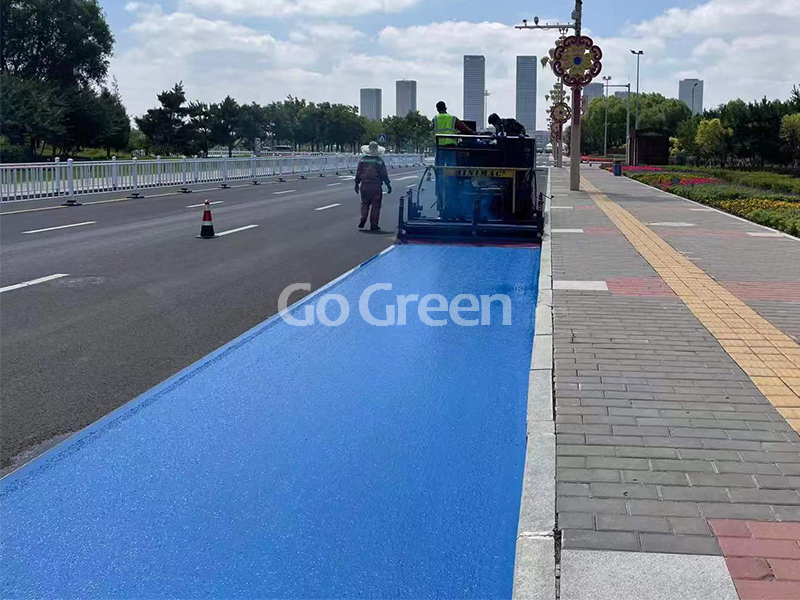
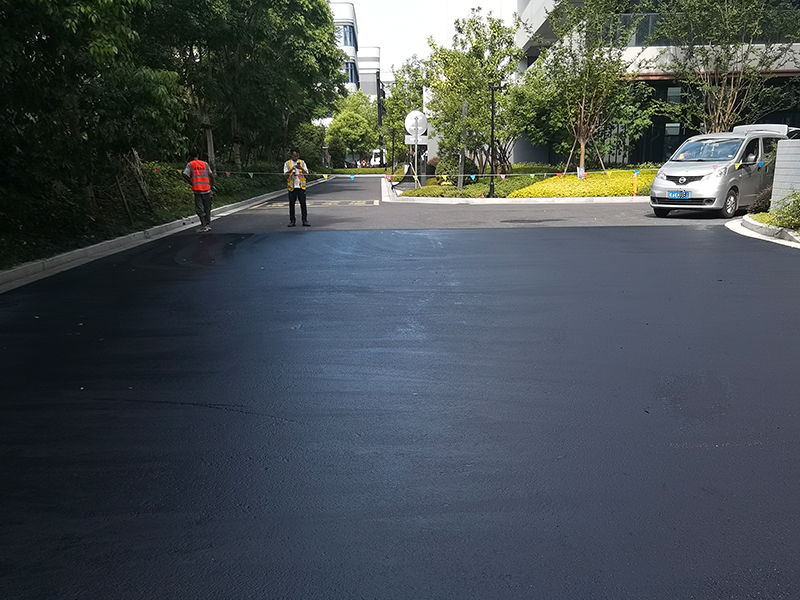
Maintenance and sealing of cracks on asphalt pavement;
Treatment of cracks on old asphalt pavement before paving the asphalt wearing course, and treatment of sub-base cracks of asphalt concrete pavement on cement concrete pavement;
Treatment of bridge head jumping and expansion joints; sealing of reservoir embankment joints
Treatment of the joints between the airport runway and the cement concrete plate;
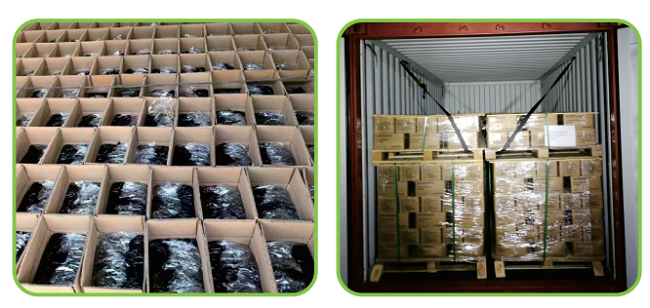
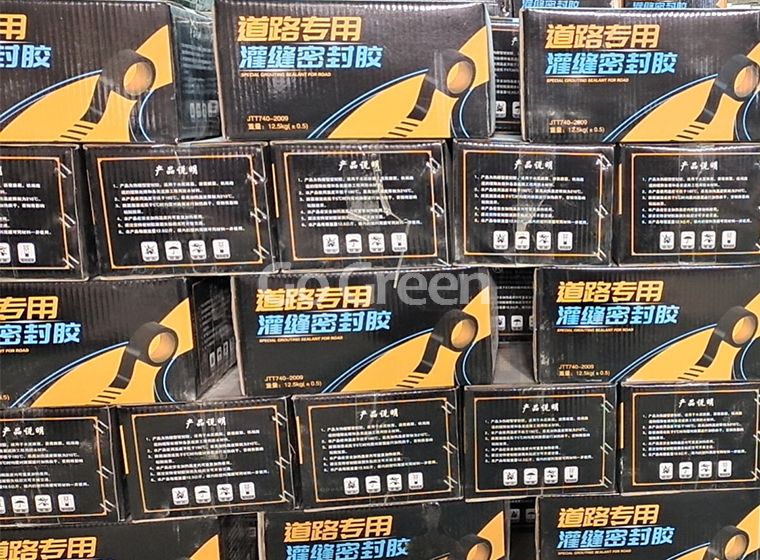
12.5kg per box, 80 boxes on a pallet
Shelf life unopen: 1 year